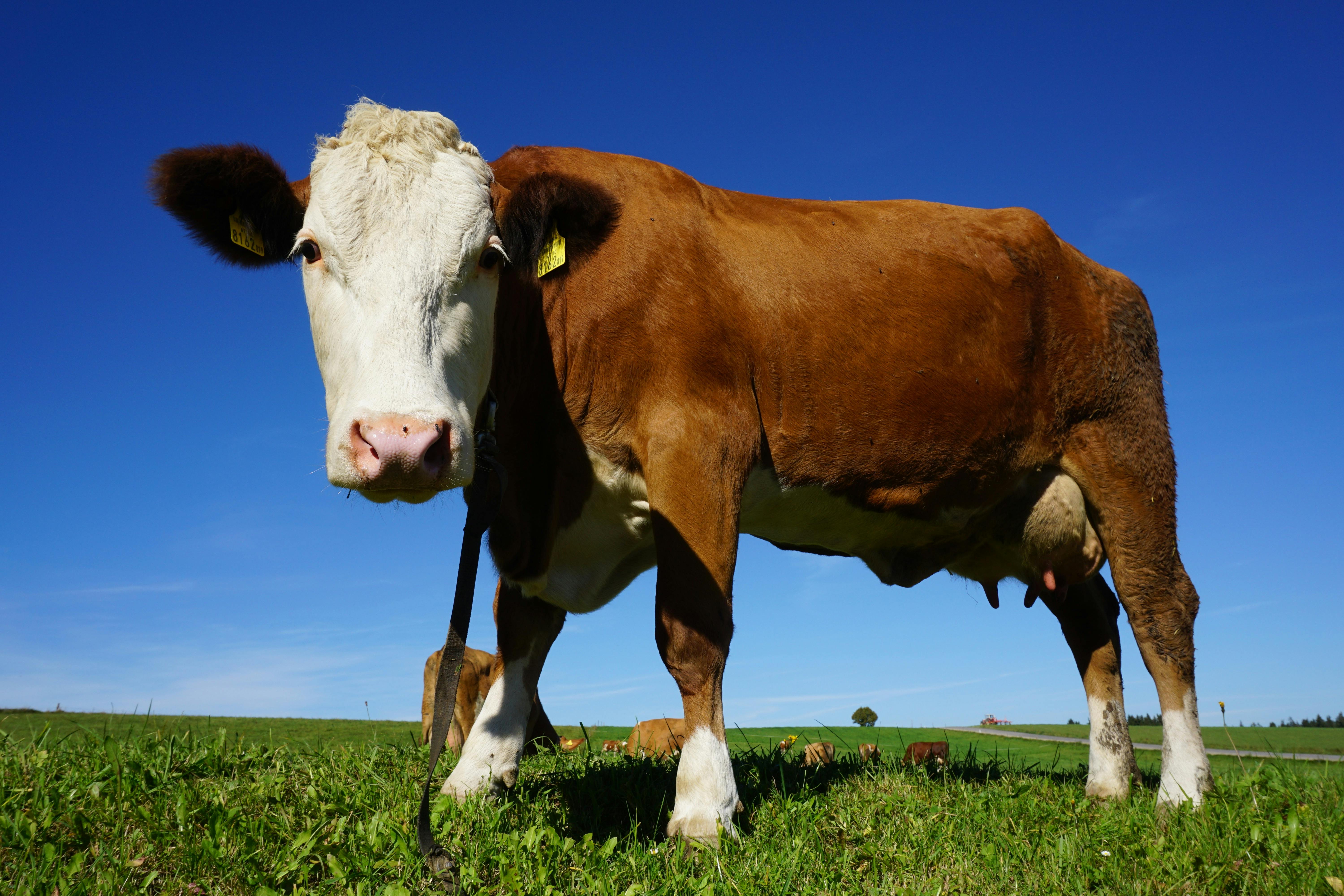
We want burgers without the guilt but the math just isn’t adding up.
Beef is often called the most damaging food on the planet responsible for nearly 15% of global greenhouse emissions and using massive amounts of land and freshwater. If beef were a country, it would be the world’s third-largest emitter.
Still, we love it. So the question keeps resurfacing:
Can we keep eating beef without wrecking the planet?
Advocates of “regenerative” beef say yes. But the science paints a harder truth.
The promise of regenerative grazing
The idea comes from Allan Savory, who claims that rotating cattle across grasslands imitating natural migrations can heal soil and reduce emissions.
The pitch is seductive:
- healthier soil
- more biodiversity
- carbon pulled from the atmosphere
- happier animals, “better” beef
Regenerative grazing sounds like a win-win. Eat more beef and save the planet? Who wouldn’t want that?
Where the science cracks
Studies agree: healthy soil can store carbon. But not nearly enough to counter the methane cows emit.
A major review found regenerative grazing can offset only 20–60% of emissions meaning we still end up with a carbon surplus.
And soils eventually hit a limit. After a few decades, they stop absorbing additional carbon. Methane, however, keeps coming.
Even more striking: net-zero beef systems were found in just 2% of cases across nearly 300 studies.
That’s not a solution. That’s wishful thinking.
The land problem
Even if grazing helped with emissions, there’s another constraint: land.
Regenerative beef can take 2.5× more land than conventional feedlot beef.
Why? Cows on pasture grow more slowly. They live longer, require more land, and emit more methane over their lifetime.
One researcher put it plainly:
“Grass-fed cows emit more because they take longer to finish.”
We simply don’t have enough global land to regenerate our way out of beef demand.
If the world ate like high-consumption countries…
If everyone ate beef at the same rate as the highest-consumption countries:
We would need all habitable land on Earth and still be short.
We’d lose forests, wetlands, grasslands and the carbon sinks that protect us.
What if we used the land differently?
Instead of putting cattle on vast grazing lands, we could return that land to nature. Rewilding forests and wetlands captures more carbon than grazing ever could.
Sometimes the most sustainable beef… is less beef.
So what can we actually do?
Based on the evidence:
- Eat less beef overall.
- Shift to plant-forward meals.
- Choose beef consciously, not habitually.
Plant-based proteins still beat beef even its most “sustainable” version every time.
And regenerative beef? It may have animal welfare benefits, and that matters. But climate-neutral beef remains a myth.
The most sustainable beef is the beef we choose less often.








.jpg)