A fish with a thousand names, a history older than memory, and a reputation that deserves better.
Think about the recipes you return to. The ones that feel familiar, almost inherited. Are they pulled from a dog-eared cookbook? Passed down through family stories? Or learned slowly, imperfectly, through trial and hunger?
For a long time, cooking meant staying inside a narrow lane. Meat, potatoes, vegetables that behaved themselves. Safe food. Predictable food. The kind that fills you up but rarely surprises you.
Then comes the moment — often after leaving home when the map expands. New ingredients appear. New textures. New smells. And suddenly, cooking stops being a chore and becomes a form of curiosity.
Salmon often enters our lives that way: not as a childhood staple, but as a quiet revelation.
A Fish Older Than Stories
Salmon is not a modern ingredient pretending to be ancient. It is genuinely old older than cities, older than writing, older than most of the ideas we associate with “cuisine.”
In southern France, at a rock shelter near the Vézère River, archaeologists discovered a Paleolithic carving of a salmon etched into stone. It is more than 25,000 years old. Before alphabets, before borders, someone chose to record a fish.
Across cultures, salmon became more than food. In Celtic lore, it was the keeper of wisdom revered for its intelligence, its endurance, its ability to live in both fresh and salt water, and for its uncanny instinct to return home.
Even the name carries poetry. “Salmon” comes from the Latin salire — to leap.
From Reverence to Exploitation
As civilizations grew, reverence gave way to ownership. Roman records describe abundant salmon runs. Medieval kings built weirs to trap them. Castles controlled rivers. Populations fell.
In a twist of history, the Magna Carta better known for human liberties also protected salmon, ordering the removal of fish weirs so spawning runs could survive.
“All fish-weirs shall be removed from the Thames, the Medway, and throughout the whole of England.”
For a time, salmon became so plentiful it was cheap cheaper than meat. Servants complained about being fed salmon too often.
Then came the Industrial Revolution. Dams. Pollution. Sewage. By the late 19th century, salmon had nearly vanished from many European rivers.
The same pattern repeated in North America. Atlantic salmon, once abundant, are now endangered in the U.S. and parts of Canada.
Atlantic vs. Pacific: Clearing the Confusion
Here’s the truth that often gets lost at the fish counter:
If you’re buying salmon in a store, Atlantic salmon is farmed. Wild salmon is Pacific.
The Pacific family, however, brings its own confusion multiple species, multiple names, endless aliases.
- King (Chinook) — rich, fatty, luxurious.
- Sockeye (Red) — deeply colored, intensely flavored.
- Coho (Silver) — milder, balanced, approachable.
- Pink (Humpy) — lighter, leaner, often canned.
- Chum (Keta/Dog) — pale, low-fat, commonly processed.
And then there’s Copper River salmon — not a species, but a place. A brutal 300-mile migration through icy glacial water that forces salmon to store extraordinary fat reserves.
The result is flesh that is darker, firmer, and unmistakably rich. It’s not marketing. It’s geography.
Why So Many People “Don’t Like” Salmon
Dry salmon. Bland salmon. “Fishy” salmon.
These aren’t personality traits of the fish they’re symptoms of poor cooking.
Salmon is unforgiving when overcooked. Treat it gently and it becomes buttery, moist, deeply satisfying. Rush it, and it punishes you.
Which brings us to the recipe.
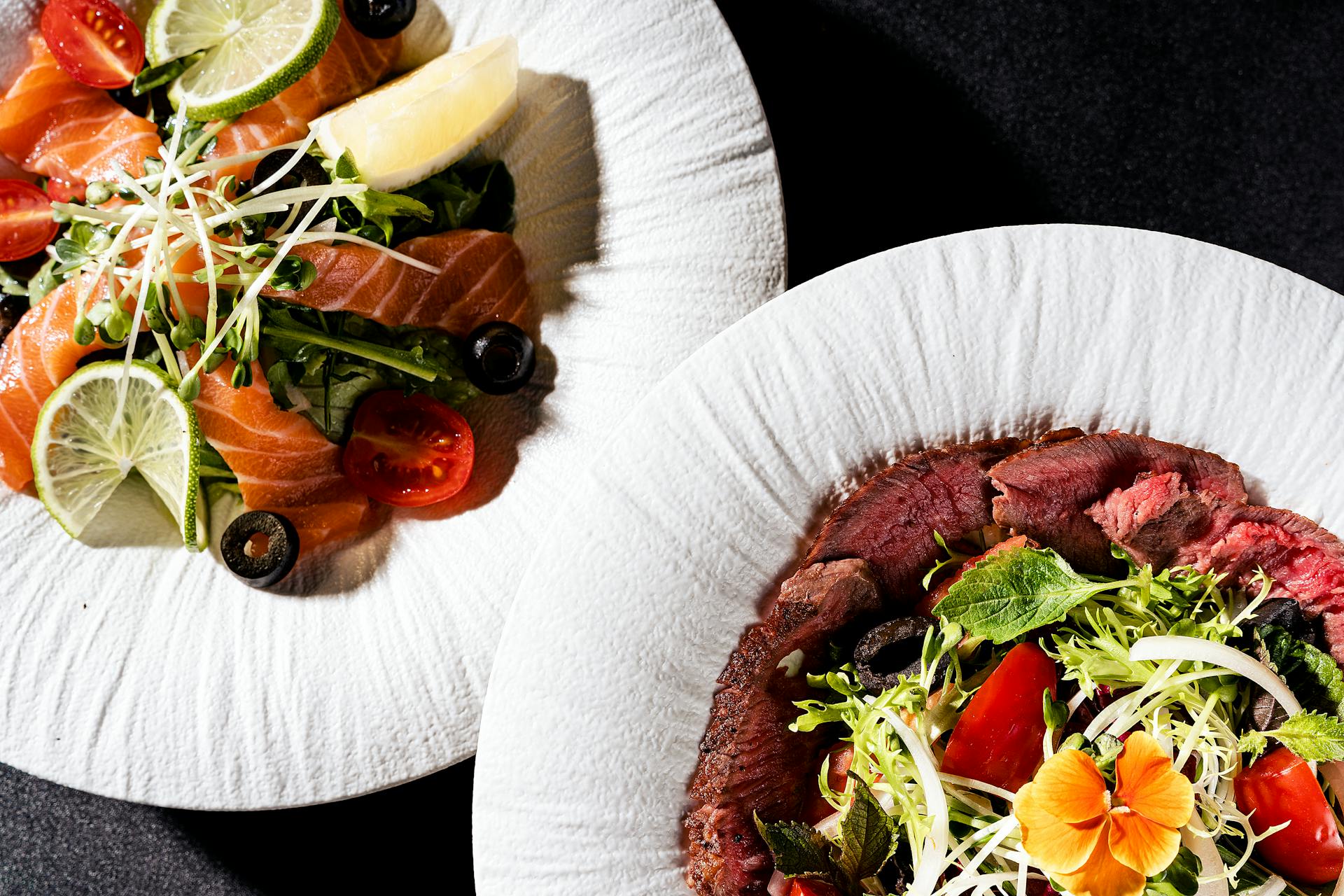
Hazelnut-Crusted Salmon
This dish was born from place the Pacific Northwest, where salmon runs and hazelnut orchards overlap. It’s simple enough for a weeknight and elegant enough for guests.
Mayonnaise keeps the fish moist. Citrus lifts the richness. Hazelnuts add crunch and warmth.
Ingredients
- 1 lb salmon fillet, cut into 4 pieces
- ½ cup mayonnaise
- 1 tbsp orange marmalade
- 2 tsp fresh tarragon, minced
- ½ tsp orange zest
- ½ cup chopped hazelnuts
- Salt and freshly ground black pepper
Method
- Preheat oven to 400°F / 204°C.
- Place salmon skin-side down on parchment-lined baking sheet.
- Mix mayonnaise, marmalade, zest, and tarragon.
- Spread evenly over salmon; top with hazelnuts.
- Season and bake ~15 minutes, until just flaky.
The Only Prize That Matters
The recipe earned an honorable mention in a national contest. The certificate exists somewhere.
But awards weren’t the point.
The real prize was learning to cook with confidence. To move beyond fear of ingredients. To make food that brings people to the table and keeps them there.
Salmon isn’t complicated. It’s ancient. And it deserves respect.
If you think you don’t like salmon, you probably just haven’t met the right one yet.

.jpg)