Yes, Europe often does some things better but turning it into a food fairytale makes it harder to fix what still isn’t working.
There’s a very specific genre of internet content that refuses to die:
“I went to Europe and my stomach problems vanished.”
TikTok calls it “no tummy issues on vacation.” Headlines talk about Europe as a haven of “fresh, whole foods.” The vibe is always the same: Europe is pure, America is toxic, and the solution to modern eating is a plane ticket to somewhere with olive trees.
Here’s the uncomfortable truth: Europe does have amazing food. In many places, the quality of produce is better, meals are less processed, and eating is more culturally embedded into daily life.
But Europe is not a food utopia. Not even close.
And romanticising European food especially in contrast to American food can do real damage. Because it doesn’t just oversimplify the story. It distracts from the issues Europeans live with every day: food insecurity, quality decline, ultra-processed creep, regional inequality, and diets that aren’t as “Mediterranean” as the internet suggests.
The “Europe” People Romanticise Isn’t Most of Europe
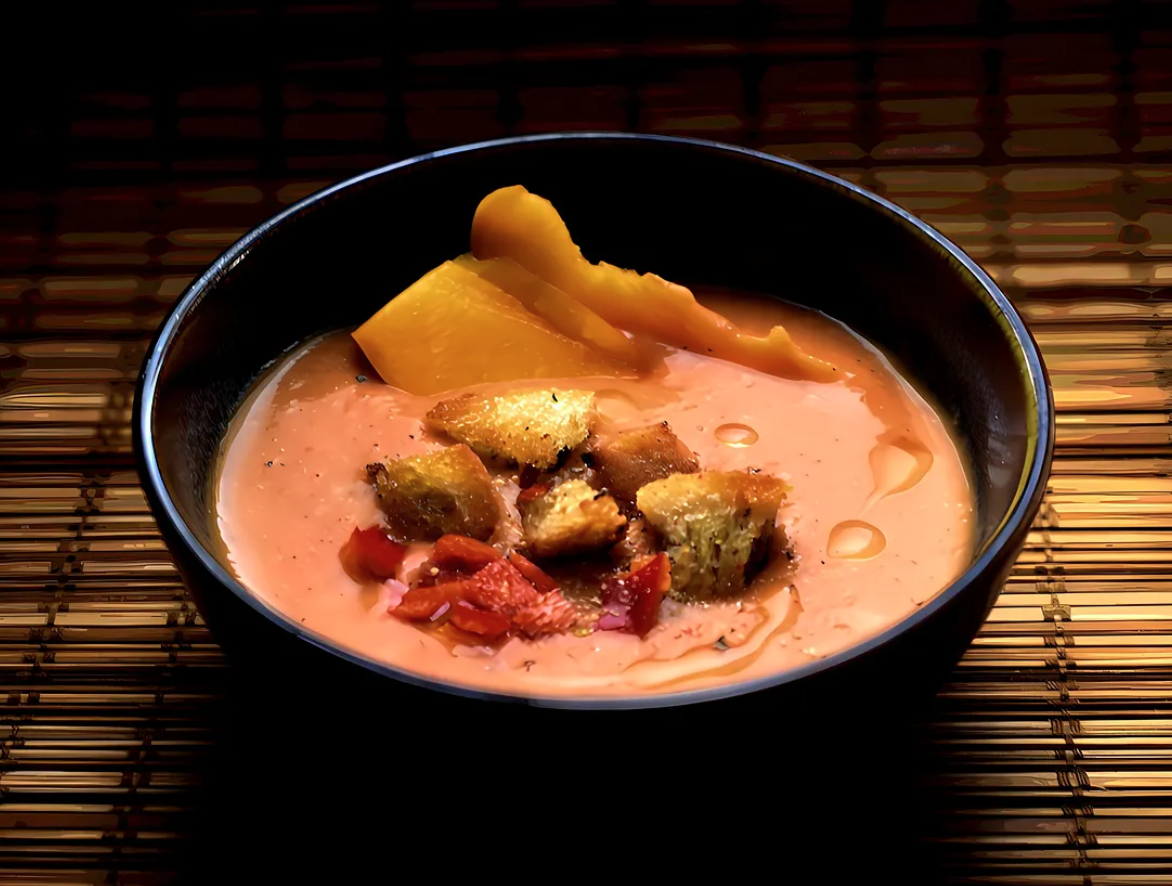
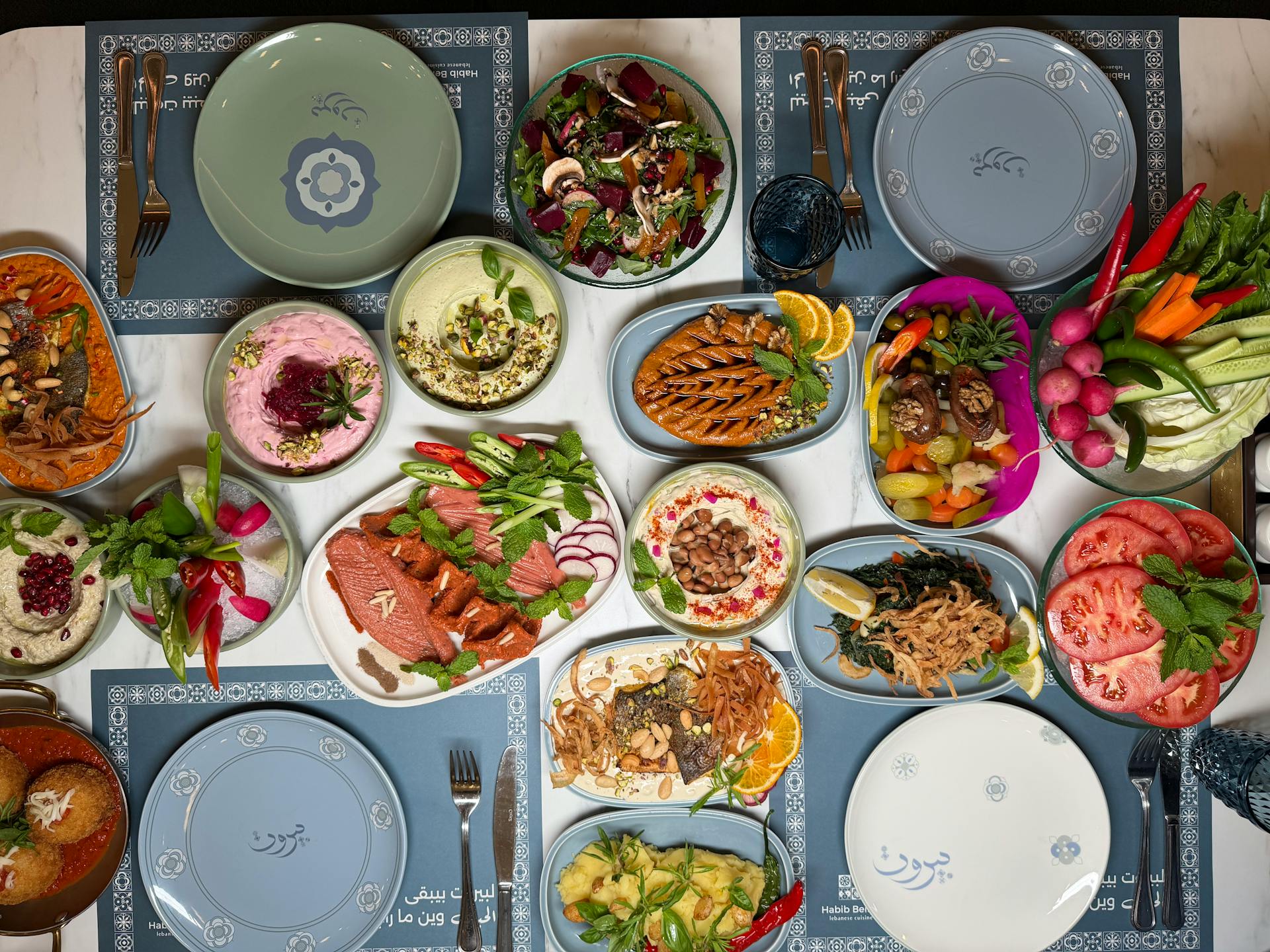
When people say “European food,” they often mean a very specific postcard version of Europe: Spain, Italy, Southern France, Greece, Portugal. Sunlight, markets, tomatoes, fish, olive oil, bread that tastes like something.
Call it tomato Europe the Europe that photographs well.
It’s also the Europe tourists see most often. France, Spain, and Italy are among the most visited countries on the planet. So it’s not surprising that online narratives flatten “European food” into “Mediterranean holiday meals.”
But Europe is huge. And much of it is not living in the tomato fantasy.
Head north and east and you enter a different landscape potato Europe where diets can be heavier, winters longer, and food systems more constrained. In some regions, the biggest issue isn’t whether the bread is artisanal. It’s whether there’s enough food at all.
Food Insecurity Exists Here and It’s Not Small
One of the most harmful side effects of the “Europe eats better” story is that it erases European poverty and hunger.
A significant number of people across Europe cannot afford a meal containing meat, fish, or a vegetarian equivalent every other day. Across the EU, that figure sits around 7% on average but it rises sharply for those at risk of poverty, and it’s far higher in some countries, particularly in parts of Eastern Europe.
There’s also an important point people don’t like to hear:
A country can have a beautiful food culture and still have hungry people.
Greece is a perfect example of the contradiction. It has one of the world’s most romanticised cuisines fresh vegetables, olive oil, grilled fish, lemon, herbs and yet food insecurity still affects a meaningful portion of the population.
Social media shows you the spread. Not who can afford it.
Quality Isn’t Guaranteed It’s Uneven
Even where food is available, quality varies dramatically across Europe. This is one of the most under-discussed parts of the conversation: Europe is not one system. It’s a patchwork of national policies, supermarket chains, economic pressures, and regional inequality.
Take organic farming. The EU has set targets to expand organic agricultural land, and overall Europe outperforms the United States on organic share.
But averages hide reality. Some European countries have made huge progress. Others remain far behind — including parts of Europe outside the EU, where organic share is low and food regulation differs.
Even within the EU, plenty of countries sit below the average. Big agricultural producers still rely heavily on industrial-scale farming, chemical inputs, and supply chains optimized for price and shelf-life rather than flavour or nutrition.
So yes, Europe may trend “better” than the U.S. in some metrics but “better” doesn’t mean “good,” and it definitely doesn’t mean “fixed.”
Ultra-Processed Foods Are Here and Some Countries Lead the Pack
The internet loves to frame ultra-processed food (UPF) as an American problem. It isn’t.
UPFs are woven into European life too and in some places, they dominate.
For context, the U.S. gets a very large percentage of daily calories from ultra-processed foods. But the highest-UPF country in Europe matches that level: the UK.
Meanwhile, other European countries do better some Mediterranean nations have lower UPF intake, and cooking from scratch remains common in many households. But the trendline matters:
UPFs are rising in parts of Europe and you can see it happening aisle by aisle.
Ready-to-eat sections expand. Snack walls grow taller. Fresh produce becomes less varied, less seasonal, more expensive. Even in places with strong food traditions, convenience food is creeping in because convenience always sells when people are tired, busy, broke, or all three.
Not All “Traditional Diets” Are Automatically Healthy
There’s another myth tucked inside the romance: that “European food” equals “healthy food.”
Some European diets are balanced and plant-forward. Others are heavy on meat, fat, salt, alcohol, or refined carbs depending on region, class, and culture.
Portugal, for example, has incredible fresh produce and seafood and also dietary patterns that can be high in meat and saturated fat in everyday life. Germany, Austria, Poland, Ireland, and others have their own food challenges, shaped by climate, economics, and industrialisation.
And this matters because the conversation isn’t really about “Europe vs America.” It’s about modern food systems under pressure everywhere.
So Why Do Americans Often Feel Better in Europe?
It’s real. Many Americans report fewer digestive issues in Europe. But the cause is not simple and it isn’t always “European ingredients are magical.”
Possible factors include:
- walking more and sitting less
- eating slower, at set meal times
- smaller portions
- less snacking
- fewer ultra-processed staples during travel
- reduced stress and better sleep (because… holiday)
Sometimes it’s the flour. Sometimes it’s the lifestyle. Sometimes it’s the fact you’re not eating the same pattern you eat at home.
But turning that experience into a purity myth (“Europe good, America bad”) doesn’t help anyone — especially Europeans who are actively dealing with their own food issues.
What We Lose When We Romanticise
Romanticisation has a cost. It creates a story that feels comforting and simple:
Europe is the past. America is the problem. If you want health, go backwards.
But it also does three harmful things:
- It erases European inequality — as if everyone has access to “fresh market food.”
- It hides declining food quality — because the narrative insists Europe is already “fine.”
- It blocks pressure for change — because why fix a system the internet insists is perfect?
Europe has hope genuinely. There are strong food cultures, better baseline access in many places, and policy levers that can work.
But hope requires honesty.
We can’t improve what we insist is already a fairytale.
Both Can Do Better
The United States faces massive, structural food problems food deserts, exploitative supply chains, factory farming, and an environment saturated with ultra-processed products. Those are real.
Europe is not the same but Europe is not immune either.
If anything, the lesson is that modern food systems drift in the same direction unless we actively push back: toward convenience, industrialisation, and inequality.
Europe doesn’t need to be mythologised. It needs to be defended not with nostalgia, but with attention, pressure, and care.
And if Europe and America can agree on one thing, it’s this:
Both can do better. So let’s stop pretending only one needs to.




.jpg)