The Bitter Truth About Chocolate
Behind every chocolate bar is a supply chain of deforestation, disappearing wildlife, and exploited farmers — and we rarely taste that part of the story.
Most of us unwrap chocolate without thinking. Comfort. Reward. A tiny moment of joy.
But here’s the uncomfortable truth:
Some chocolate bars produce more greenhouse gases than a serving of low-impact beef.
This isn’t exaggeration it’s how the cocoa industry works.
The rainforest is paying for our cravings
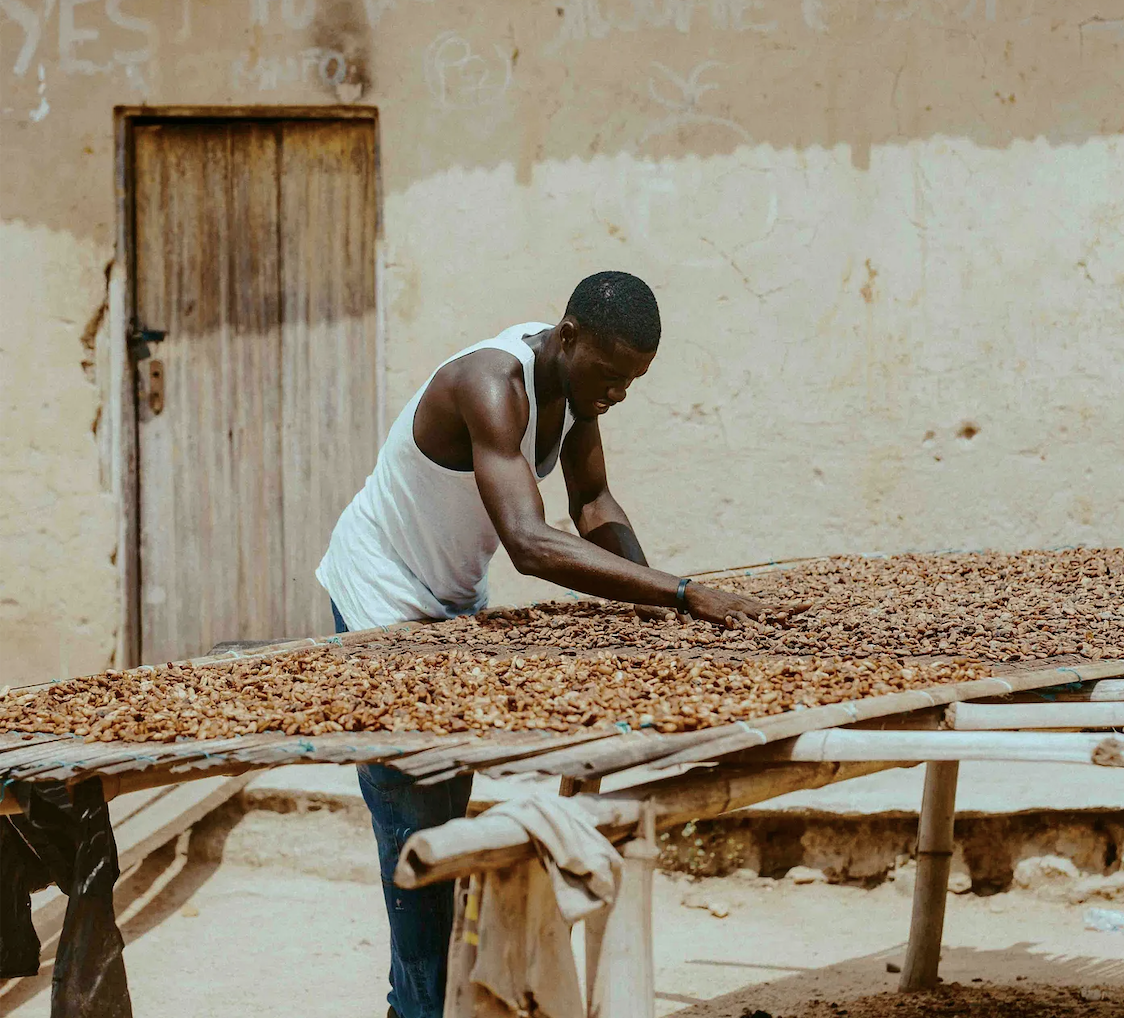
Over 60% of the world’s cocoa comes from West Africa. Côte d’Ivoire alone produces more than 2.4 million tons a year. To meet global demand, forests including protected ones are being cleared and burned for cocoa plantations.
- One-third of Côte d’Ivoire and Ghana's forests have disappeared in the last 60 years.
- 40% of cocoa in Côte d’Ivoire is grown illegally in protected national parks.
- Elephants, primates, pygmy hippos disappearing at record speed.
Forests absorb carbon. Remove them, and we release that stored carbon back into the atmosphere.
Bittersweet economics: who gets paid?
The global chocolate industry is worth $138.5 billion. Yet cocoa farmers receive roughly 6% of the final value of a chocolate bar.
More than 2 million children work on cocoa farms many through force or economic necessity.
Farmers don’t earn enough to survive, so forests are cleared to expand cocoa fields.
Climate change is coming for chocolate
Cocoa is fragile. It only grows in a narrow band near the equator humid, rainy, stable temperatures. Climate change disrupts all three.
- Hotter temperatures → fewer pods
- Erratic rainfall → crops drown or dry out
- New pests and diseases → lower yields
Climate change shrinks cocoa land. Farmers clear more forest. More emissions. Less chocolate.
Can chocolate be ethical?
Only if cocoa is grown in agroforestry systems under trees, not in bare monoculture rows.
- Stores up to 2.5× more carbon
- Protects biodiversity
- Gives farmers multiple income sources
How to buy chocolate responsibly
You don’t need to quit chocolate just buy better.
- Support brands that use agroforestry (shade-grown cocoa)
- Buy from companies paying a living income to farmers
- Avoid ultra-cheap chocolate someone else is paying the cost
Tools to help you choose:
Chocolate Scorecard — ranks brands by sustainability and ethics.
Food Empowerment Project: Chocolate List — identifies chocolate made without child labor.
Chocolate has a footprint and a human one.
Knowing what’s behind the wrapper gives us power. Power to choose brands that protect forests. Power to support farmers instead of exploitation. Power to keep chocolate real chocolate in our future.









.jpg)