The “most important meal of the day” is less about health… and more about history, work, and marketing.
For most of human history, nobody bothered to write down what they ate first thing in the morning. Ink was expensive. Time was short. And “porridge again” doesn’t exactly scream literary material.
So breakfast is strangely hard to trace. We have fragments:
- Ancient Greeks and Romans sometimes ate early, but praised the idea of just one meal a day.
- Medieval Europeans often saw early eating as gluttonous or sinful.
- For many, the real focus was a big late-morning meal and then dinner.
Whether you’re a “can’t function without food” person or an “espresso and vibes” person, your breakfast habits are sitting on centuries of social change.
From paintings to power breakfasts
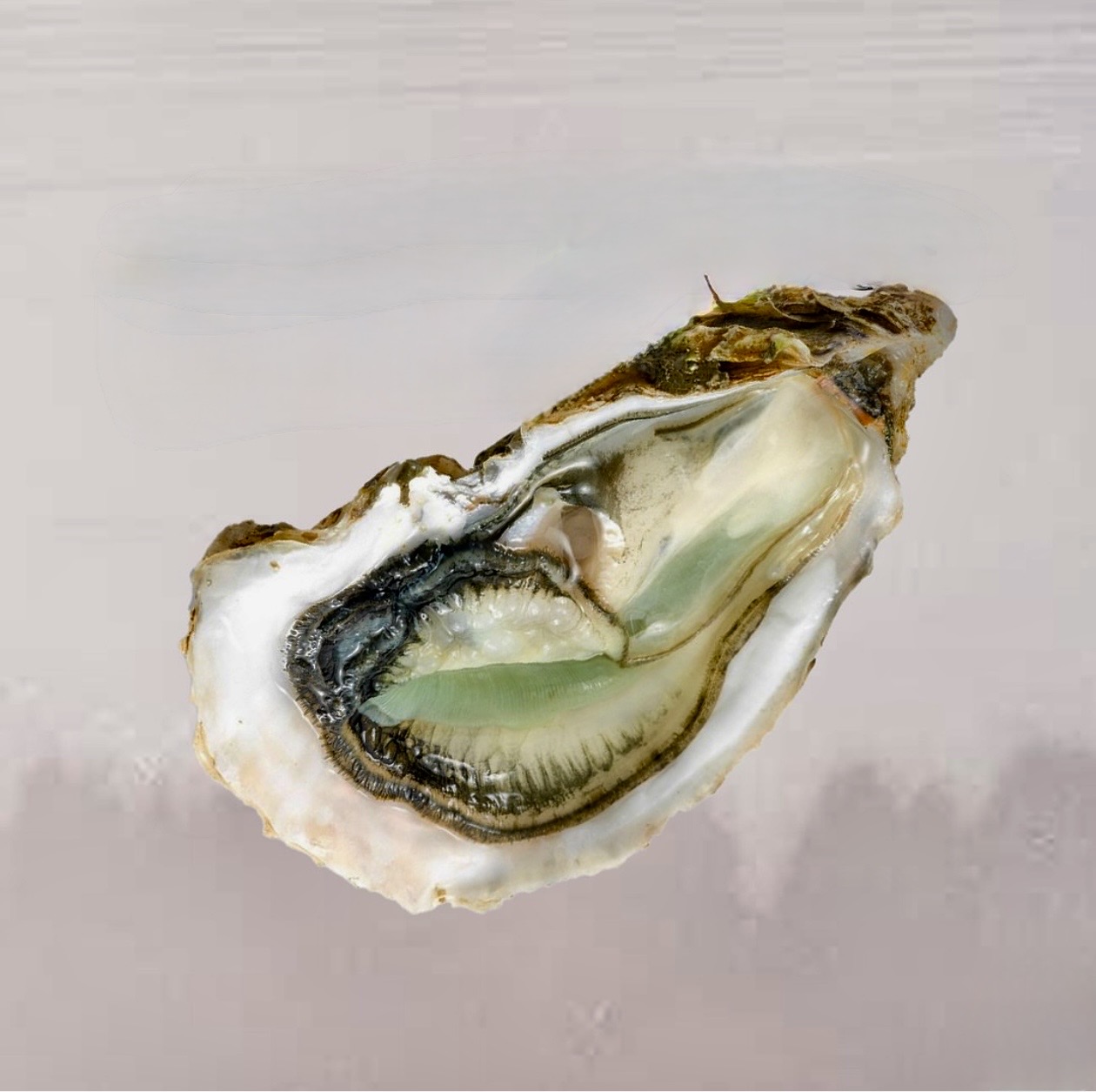
In the 1600s and 1700s, breakfast starts to show up in art. Dutch painters captured still lifes of morning tables bread, fish, oysters, wine. It looked nothing like cereal and toast.
By the 1800s, breakfast became a stage for wealth. Cookbooks listed spreads of steak, fish, fried chicken, oysters, griddle cakes, and endless coffee and tea. The middle classes copied the rich; the rich kept escalating.
Breakfast became a performance: “I am prosperous, organised, and definitely not eating cold leftovers.”
Workers needed calories, not ceremony
For people doing hard labour, the story was different. When most people worked land they controlled, they could eat later, pause in the day, then continue working.
Industrialisation changed that. Factory work meant:
- early starts
- long shifts
- no control over breaks
Breakfast became fuel bread and cheese, yesterday’s stew, maybe beer or cider instead of coffee. Not aspirational, just necessary.
Enter Kellogg: fibre, faith, and flakes
In the late 1800s, breakfast collided with moral panic and “health science.” Dr. John Kellogg, influenced by religious ideas about purity and plant-based living, was convinced that rich, meaty breakfasts were dangerous physically and spiritually.
His solution? Bland whole grains. Baked hard. Flaked. Marketed as the future.
Cereal wasn’t just convenient. It was sold as modern, scientific, and morally superior.
Other brands followed. Quaker called puffed rice the “eighth wonder of the world.” Grape-Nuts claimed to cure diseases. Breakfast went from “thing you eat before work” to “ritual of righteousness.”
The invention of “the most important meal of the day”
That line? It wasn’t handed down from nutrition heaven. It came from ad campaigns.
In the 1940s, Grape-Nuts and others pushed slogans like “Eat a Good Breakfast Do a Better Job,” backed by “experts” and fear of underperforming. At the same time, cereals quietly got sweeter and more cartoonish.
The “balanced breakfast” we were sold cereal, toast, juice, maybe some fruit was as much about selling products as it was about health.
Orange juice joins the table
In the early 20th century, orange growers had a problem: too many oranges. The fix? Turn juice into a breakfast essential.
- Vitamins were newly discovered and heavily hyped.
- Orange juice was framed as a vitamin C powerhouse.
- Marketing turned “a glass of OJ” into morning doctrine.
By the mid-1900s, juice was framed as proof you were doing breakfast “properly.”
Breakfast keeps reinventing itself
Over the last century, breakfast has cycled through identities:
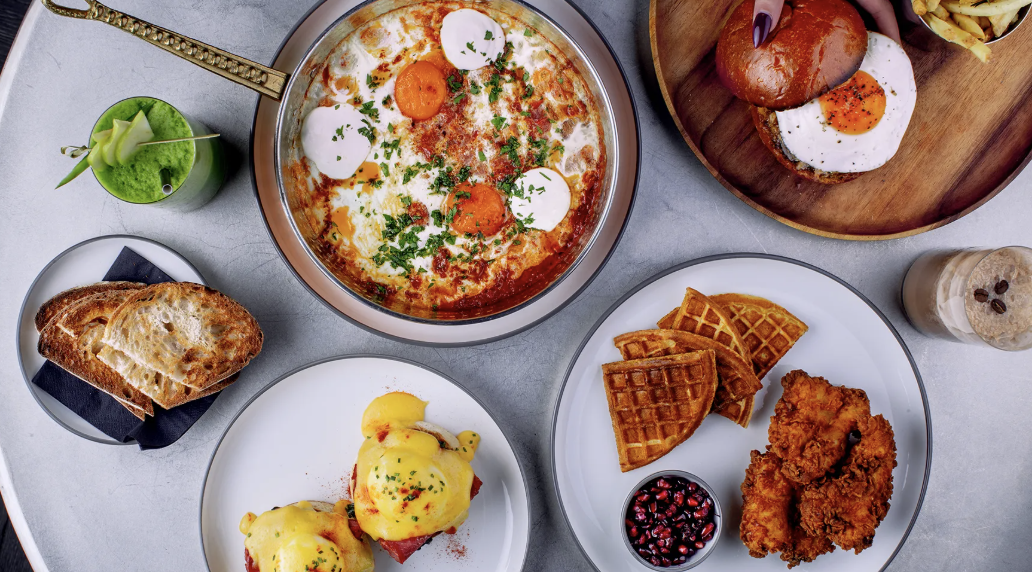
- Hearty start: eggs, meat, heavy plates.
- Cereal era: processed grains, added sugar, cartoon mascots.
- “Clean” phase: lower sugar, more whole foods.
- Protein-obsessed: shakes, bars, 30g by 8am.
- No breakfast: intermittent fasting and the virtue of skipping.
The only constant is that breakfast keeps reflecting whatever we’re anxious or excited about.
So… is breakfast essential or optional?
Depends who you ask. Some people genuinely feel and perform better with a morning meal. Others feel fine eating later. The body of research is messy, and the messaging is noisy layered with decades of marketing and moralising.
What is clear is this: breakfast has never just been about hunger. It’s about:
- who controls your time
- what work you’re expected to do
- what industry is trying to sell you
- what era you’re living in
Whether your morning looks like a full cooked plate, a protein shake, a pastry grabbed on the way to the train, or nothing at all you’re part of a long, weird story of culture, commerce, and the first thing we put in our mouths each day.
.jpg)