Some foods fill your stomach. Oysters fill your imagination.
There are foods we eat. And then there are foods we feel.
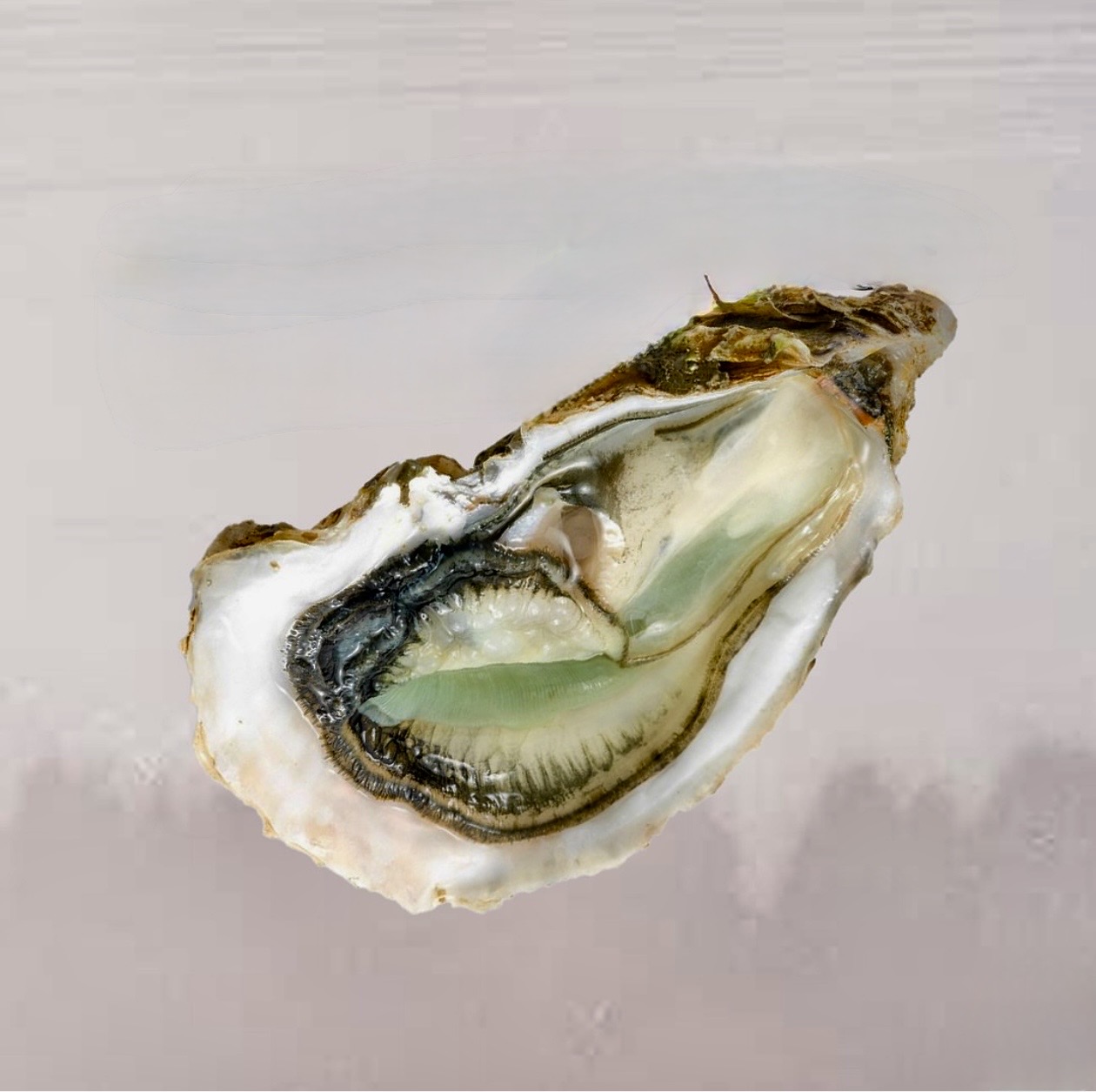
Oysters have belonged to the second category for centuries slippery, briny, suggestive little reminders that flavour has moods, temperatures, and intentions. They arrive at the table already half-story, half-ritual. Before the first slurp, they’re already performing.
But how did a humble mollusc become one of the world’s most flirtatious foods? Are oysters truly nature’s aphrodisiac… or did we collectively romanticise them because the myth was too delicious to resist?
A Food Wrapped in Desire
Long before dating apps, before candlelit restaurants, before anyone uttered the phrase “small plate culture,” oysters were the food of seduction.
Casanova supposedly ate fifty every morning not for nourishment, but for momentum. Ancient Romans prized them as a status symbol, carting crates of oysters across empires. Victorians devoured them in quiet rebellion, their prim etiquette cracking anytime something sensual touched their lips.
Across coastal Africa, oysters carried medicinal and spiritual meaning. They weren’t just eaten they were believed in.
Humanity didn’t simply consume oysters; it assigned them a mythology.
Where the Lust Began
Oysters are sensual by accident. Nature designed them with a kind of slow, unintentional eroticism:
- cold shell meeting warm lips
- soft flesh against the hard edge of the shell
- the brine, the salt, the metallic ocean kiss
Anthropologists argue the allure came not from chemistry but choreography. The tilt of the head. The parted mouth. The gentle, private slurp.
Oysters require a moment of surrender. That was enough to make poets, lovers, and bored aristocrats fall hopelessly in love with the idea.
But Are They Actually an Aphrodisiac?
Here’s the honest answer:
Scientifically? Somewhat.
Emotionally? Absolutely.
Oysters are rich in zinc a mineral linked to hormonal health, energy, and fertility. But the effects aren’t instant or magic. No one has ever said, “This oyster changed the trajectory of my evening.”
The real power comes from the ritual:
- the cold platter hitting the table
- the sound of shells brushing like quiet applause
- the simple act of choosing one to share
Oysters seduce through atmosphere, not anatomy.
It’s foreplay disguised as seafood.
A Raw Bite Into the Truth
If the romance vanished tomorrow, oysters would still be one of the most remarkable foods on the planet:
- They filter up to 50 gallons of water a day, cleaning entire ecosystems.
- They build reefs that protect coastlines from erosion.
- They’ve fed civilisations for millennia.
- And they pair with cold wine like they’re completing a sentence.
They don’t need myth to taste extraordinary.
Why We Still Fall Under Their Spell
Maybe it’s the texture slippery, delicate, alive with ocean energy. Or maybe it’s the drama of the moment: the lemon squeezed, the shell tilted, the vulnerability of eating something raw and wild.
Oysters remind us that eating can make us feel something. That food can flirt, tease, challenge, and awaken a part of us we usually keep quiet.
Maybe we love oysters because they are unpredictable. Some sweet, some salty, some metallic, some bold. A whole coastline captured in a single bite.
Or maybe we just like foods with mystery dishes that feel a bit dangerous even when they’re perfectly safe.
A Final Whisper
Are oysters truly an aphrodisiac?
Maybe.
Maybe not.
But they make the world feel more flirtatious. They make a table feel charged. They make a moment feel like it’s leading somewhere.
Sometimes, a little seduction is enough.



.jpg)